
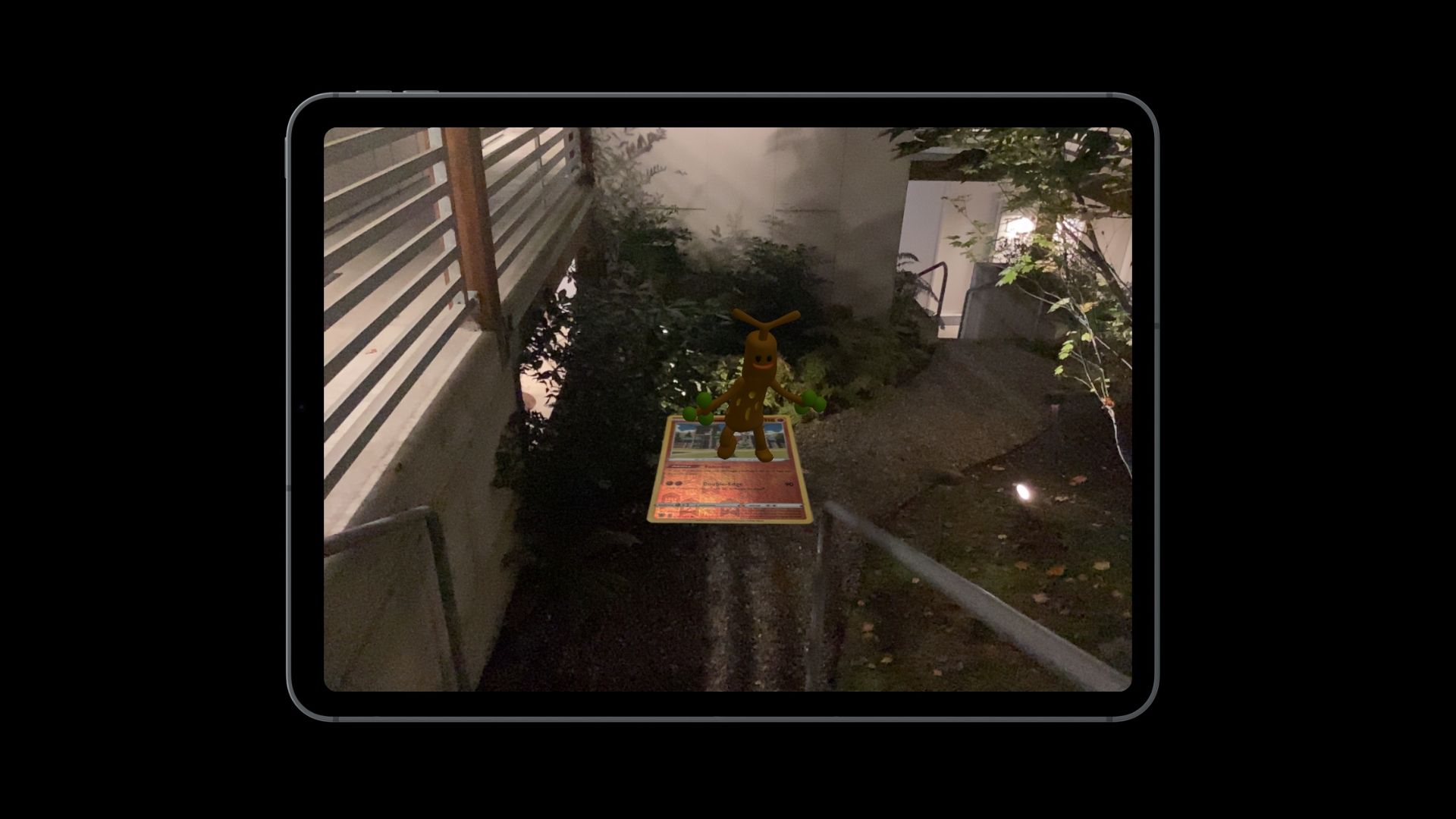
Final Product
Self-initiated / Passion Project
Figma, Blender
2 months
This project explores how AR can feel more alive and engaging. Instead of focusing on flashy visuals, the goal was to design small, thoughtful interactions that make Pokémon feel present in the real world.
• Shifted AR from a visual feature to an interaction-driven experience
• Highlighted how responsiveness and context increase immersion
• Designed interactions that make Pokémon feel more alive and reactive
In existing experiences like Pokémon GO, AR is often treated as a visual add-onrather than a meaningful interaction layer.
This results in:
• Limited emotional engagement
• Low sustained usage
• AR being perceived as a gimmick
If Pokémon feel lifelike and responsive, the experience becomes immersive and emotionally engaging, not just a visual trick.
Key findings:
• People want AR to feel real and responsive when Pokémon acknowledge them or react to touch.
• Users prefer when they stand on surfaces or interact with surroundings.
A user comment: “It only feels real when the creature reacts to me, not just when it sits there.”
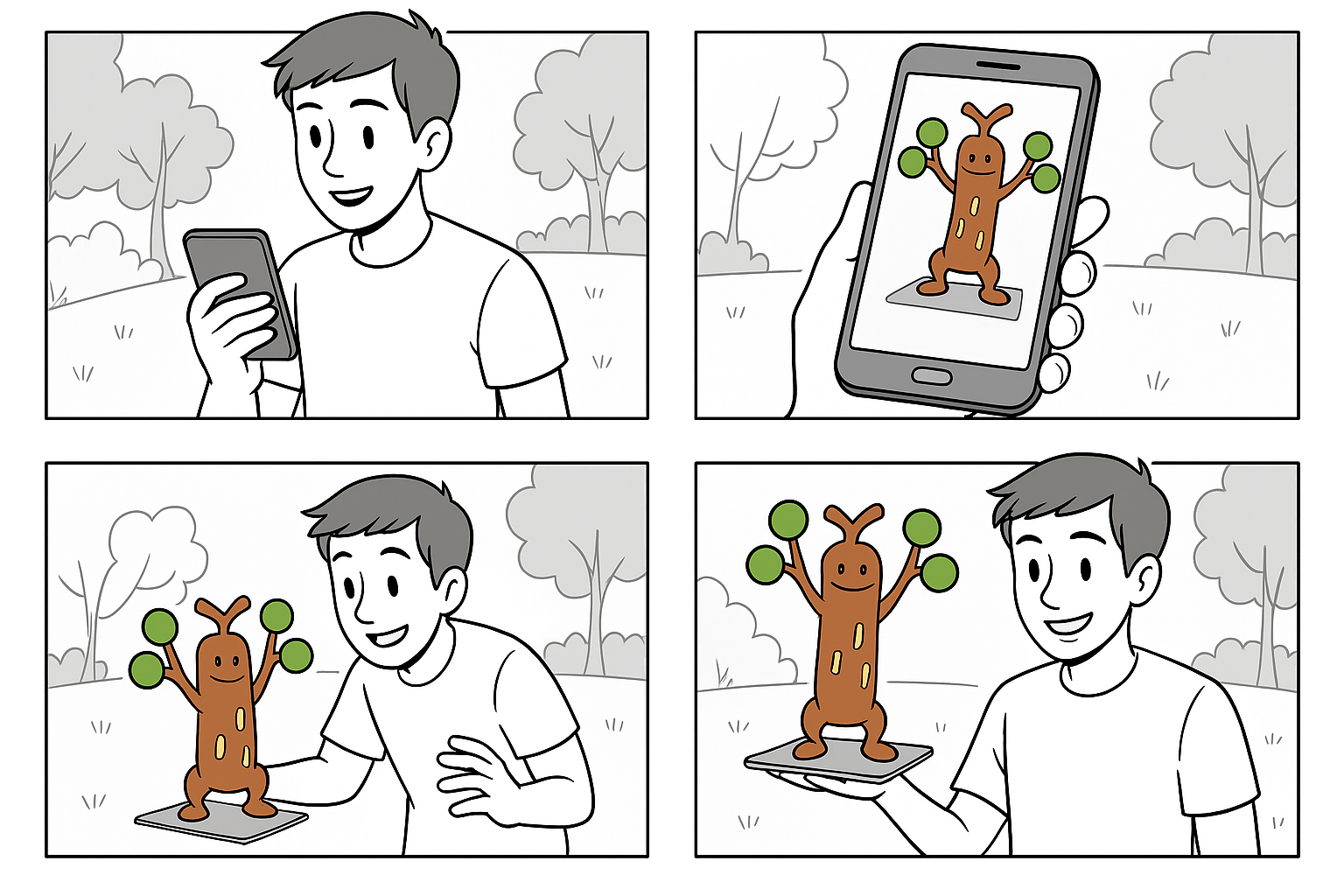
The experience is designed as a short, playful loop that feels like a small story rather than a utility
User opens the app and scans the room or outdoor space.
• A Pokémon appears in the real world and reacts to the position of the iPad.
• The Pokémon responds to touch, sound, or camera movement, creating a sense of interaction.
• The user can capture and share these moments as stylized screenshots or short clips.
This journey treats AR as a series of emotional micro moments, where small behaviors and reactions make the experience feel more alive.
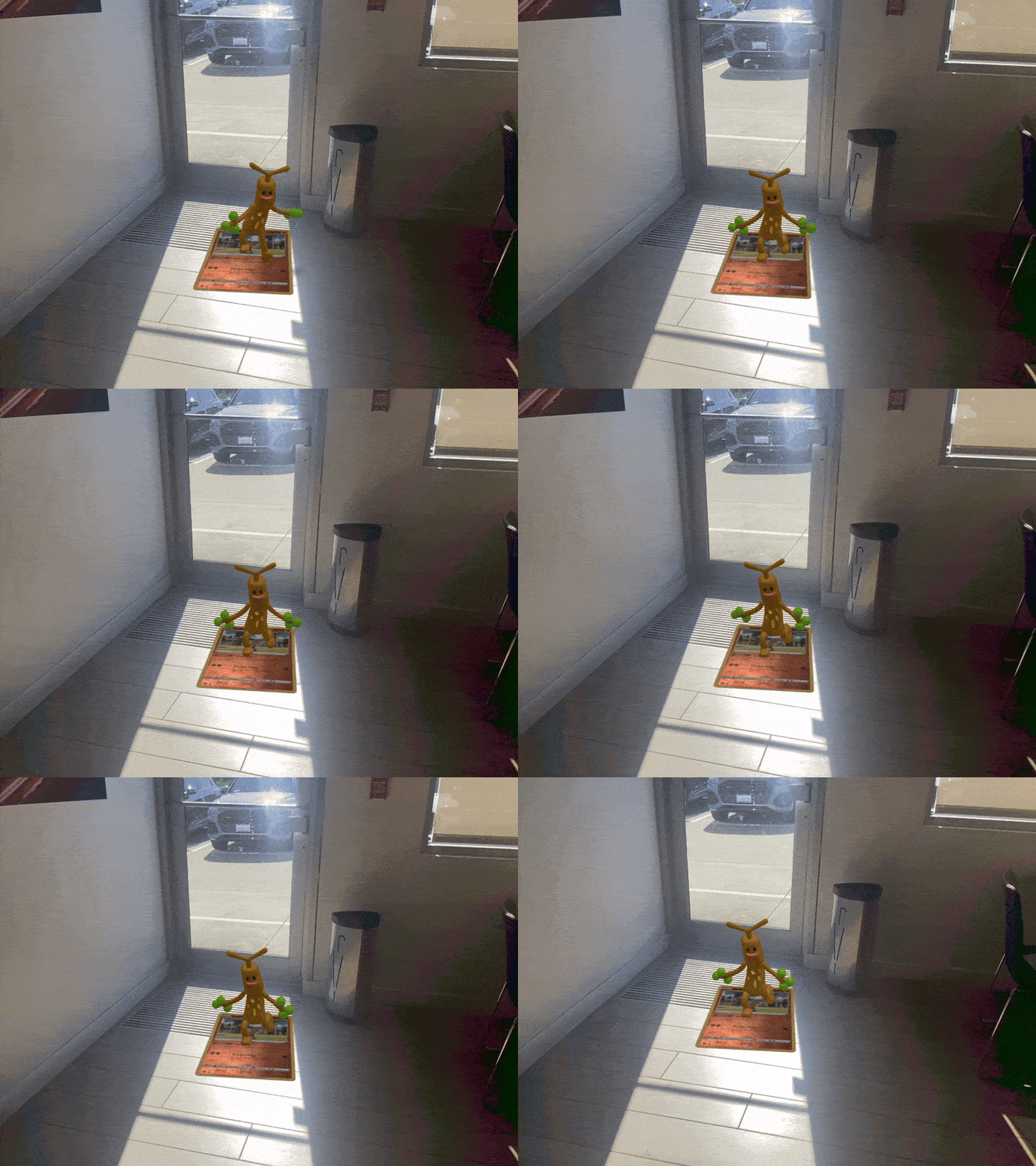
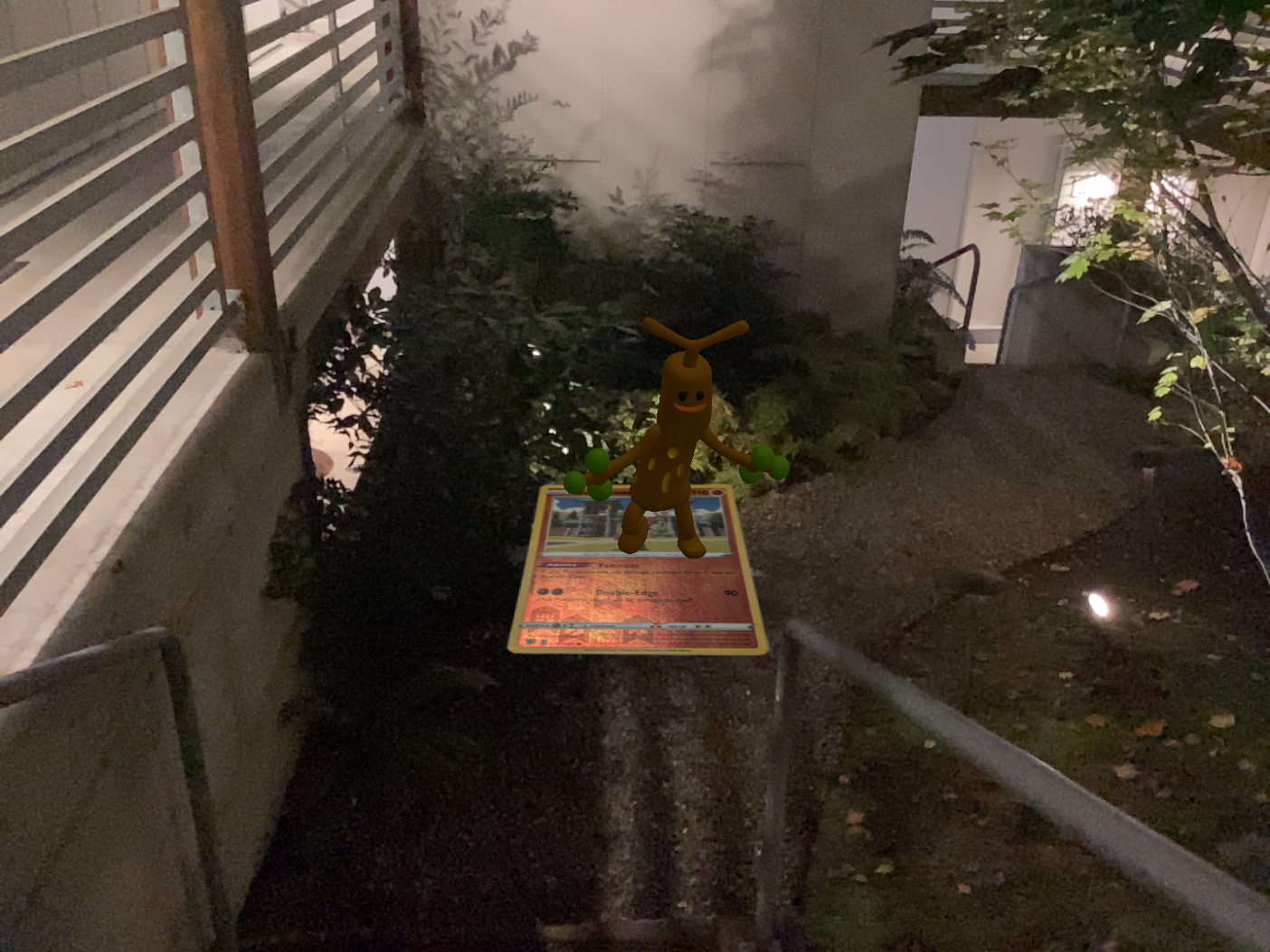
Designed a camera system where Pokémon feel integrated into the environment rather than placed on top of it.
• Focused on fewer, meaningful interactions instead of adding more features
• Prioritized simplicity to keep the experience approachable
• Balanced familiar patterns with new behaviors to avoid confusion
This project showed that even small interaction changes can make AR feel more engaging and less like a novelty. It helped define how responsiveness and context can improve the overall experience.
• AR works best when it feels alive, not just visually impressive
• Interaction creates emotional connection
• Small details can make a big difference in immersion


.png)